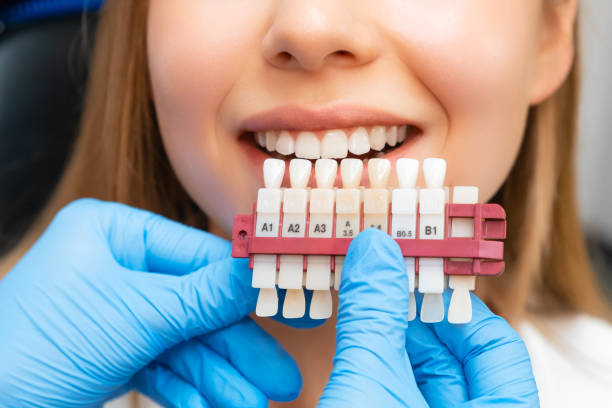
Porcelain veneers change the visible surfaces of teeth, but they still need to work with the way you bite. Before planning their shape, a dentist checks how your upper and lower teeth meet and where they make contact. Excessive force on a tooth—or grinding and clenching that has already worn it down—can affect how a veneer is designed and how well it holds up over time.
At The Woodlands Dental Group, evaluating your bite is part of understanding the smile you have now and the changes you want to make. If you’re considering porcelain veneers in The Woodlands, TX, that evaluation helps guide a plan that looks natural, feels comfortable, and accounts for the forces your teeth encounter every day.
What Does Your Bite Have to Do With Porcelain Veneers?
Your bite, or dental occlusion, is the way your upper and lower teeth contact when you close your mouth and move your jaw. Veneers may be designed to improve how front teeth look, but those teeth also have work to do. Their new shape needs to fit the way your mouth functions.
Veneers Become Part of the Way Your Teeth Contact
Changing a tooth’s length, shape, thickness, or contours can change where it touches another tooth. For example, extending a worn front edge may affect what happens when you bite into food or slide your jaw forward.
That is why your dentist checks tooth contact before designing the veneer. Even a small cosmetic change needs to make sense within the rest of your bite.
Bite Forces Affect Veneers Every Time You Chew
Teeth and restorations experience force during ordinary chewing. Your dentist accounts for those normal contacts when planning a veneer. Repeated or concentrated pressure—such as force from frequent clenching—raises a different concern because it can place extra stress on a tooth and its restoration.
The question is not whether your teeth touch. It is how they touch, how often, and whether certain teeth are taking more force than expected.
Front Teeth Experience Forces Beyond Normal Chewing
Your front teeth help you bite into food. They may also contact and help guide your jaw when you move it forward or side to side. Clenching and grinding can add repeated force to those same edges, sometimes leaving visible signs of wear.
Before recommending veneers, your dentist will consider these everyday movements alongside the changes you want to see in your smile.
How Dentists Evaluate Your Bite Before Porcelain Veneers
A bite evaluation helps your dentist understand where your teeth touch, where they have worn, and how a proposed veneer would fit. If you are considering porcelain veneers in The Woodlands, your dentist will look beyond the teeth you want to change. Contacts elsewhere in your mouth can affect the space and forces involved in the design.
How the Upper and Lower Teeth Meet
Your dentist will check what happens when you bite together, move your jaw forward, and move it from side to side. A front tooth may have little contact in one position but meet an opposing tooth when your jaw moves.
These checks help reveal whether a proposed change in length or shape would alter those contacts. The goal is to design a veneer that fits your bite as well as your smile.
Signs of Existing Tooth Wear
Flattened or shortened edges, worn enamel, small fractures, and teeth that chip repeatedly can offer clues about the forces acting on your teeth. Your dentist will look at where the wear appears and whether opposing teeth show a related pattern.
A worn tooth is not automatically unsuitable for a veneer. Its condition does mean your dentist needs to understand the wear before deciding what to restore and how.
Signs of Clenching or Grinding
Grinding and clenching may leave smooth, flattened wear spots, chipped edges, or damage to existing dental work. Some people also report tired or sore jaw muscles. No single sign confirms the cause, so your dentist will consider the full picture, including your dental history and bite.
If these forces are a concern, they become part of the veneer planning conversation rather than something to discover only after treatment.
Existing Crowns, Fillings, and Other Restorations
A crown or filling is already part of the surface your other teeth meet. Your dentist will check how existing restorations affect your bite and whether they leave enough room for the veneer being considered.
Previous dental work may also influence how changes to one tooth need to coordinate with its neighbors. A cosmetic dentist in The Woodlands considers those relationships when planning the new contours.
Tooth Position and Alignment
A rotated, crowded, protruding, or differently positioned tooth may meet opposing teeth in a way that limits the space available for a veneer. Its position can also affect how much shape change is needed to achieve the look you want.
Your dentist will assess whether a veneer can be designed within those limits or whether another step, such as orthodontic treatment, deserves consideration first.
Can an Uneven Bite Damage Porcelain Veneers?
Certain unfavorable or excessive bite forces can increase stress on veneers, but an imperfect bite does not automatically rule them out. What matters is where the teeth contact, how much force they experience, and whether a veneer can be designed to work within those conditions.
Excessive Force Can Increase the Risk of Chipping or Fracture
When one area takes repeated, heavy pressure, stress can build up in a restoration. That may increase the risk of a veneer chipping or fracturing, particularly if grinding or clenching adds force beyond everyday chewing.
Your dentist will assess those contacts before treatment. The findings help guide the veneer’s design and whether another concern should be addressed as part of the plan.
Bite Forces Can Affect Veneer Edges
The edges of front teeth deserve particular attention when a veneer is meant to make a tooth look longer. Adding length changes where that edge sits and may change when it meets the opposing teeth. Your dentist needs to check that contact while you bite and move your jaw. This is also why the cause of a short-looking tooth matters
Repeated Stress Can Affect Other Dental Restorations Too
Veneers are not the only restorations influenced by bite forces. Crowns, bonding, and fillings also become part of the surfaces your teeth contact. Repeated stress may affect them as well, which is one reason your dentist looks at existing dental work when evaluating your bite.
Seeing how your teeth and restorations have held up over time can help inform a plan for your new smile.
Teeth Grinding and Porcelain Veneers: Why Bruxism Matters
Grinding and clenching can place repeated force on the same teeth a dentist may be planning to restore. That makes bruxism an important part of the conversation before veneers—not an automatic reason to rule them out.
What Bruxism Does to Natural Teeth
When teeth grind against each other, their edges and biting surfaces can gradually lose enamel. Front teeth may become flatter or shorter, sometimes unevenly. Grinding can also contribute to chips, cracks, and worn spots that become visible when you smile.
Those changes tell your dentist more than how the teeth look today. The location and pattern of wear may help show where repeated contact has occurred and what a new restoration could encounter.
What Happens When the Same Forces Act on Veneers
Porcelain veneers are made to function as part of your teeth, but they are not immune to repeated excessive force. If a person continues to grind or clench, those forces can act on the veneer’s surface and edges as well as the tooth supporting it. They may increase the chance of chipping or other damage.
That is why planning involves more than replacing lost tooth length. Your dentist needs to consider the forces that contributed to the wear in the first place.
Does Grinding Mean You Cannot Get Veneers?
Not necessarily. Whether veneers are appropriate depends on your individual bite, the severity and pattern of grinding, the condition of the teeth, and the overall treatment plan. One person’s worn edges may call for a different approach than another person’s, even if both are concerned about the same cosmetic change.
Your dentist may recommend addressing other dental needs or managing grinding as part of the plan. An evaluation is the way to determine what is suitable for your teeth.
When a Nightguard May Be Recommended After Veneers
For some patients, a dentist may recommend a custom nightguard, also called an occlusal guard, to help protect the teeth and restorations during sleep. Whether one is appropriate depends on your bite, signs of grinding, and treatment needs.
A nightguard is one possible part of care; it does not replace careful veneer design or follow-up visits to check how your teeth and restorations are doing.
Why Worn or Shortened Teeth Require Extra Bite Planning Before Veneers
Worn teeth can affect the look of a smile, but they can also tell a story about the forces those teeth have experienced. Before restoring lost length with veneers, your dentist needs to understand both what changed and why.
Tooth Wear May Reveal an Underlying Functional Pattern
A flattened edge or shortened tooth is a visible result. Grinding, clenching, or the way opposing teeth meet may have contributed to it. Your dentist will look at the location and pattern of wear, along with the rest of your bite, to investigate what may be causing it.
That distinction matters because two teeth can look similarly worn for different reasons. The appearance alone does not tell your dentist how to design a lasting restoration.
Restoring Lost Tooth Length Changes the Existing Bite
Making a worn tooth longer changes its relationship with the teeth that meet it. An edge that no longer makes contact might begin touching an opposing tooth when you bite or move your jaw. That contact needs to be considered before the new length is chosen.
Your dentist will evaluate the available space and plan the veneer’s shape around both your smile goals and the way your teeth function together.
Cosmetic Reconstruction Should Account for the Forces That Caused the Wear
Rebuilding a worn edge can restore its appearance, but it does not by itself explain or change the forces that wore it down. If those forces continue, they may also act on the veneer.
By evaluating your bite first, your dentist can decide whether veneers are appropriate, how to design them, and whether other care should be part of the plan. The result is a treatment decision based on the health and function of your teeth as well as their appearance.
Do You Need Orthodontic Treatment Before Getting Veneers?
No—not everyone needs orthodontic treatment before veneers. Some people can proceed directly to veneer planning. Others may benefit from moving certain teeth first so the restorations can be designed around a better starting position. The choice depends on your teeth, bite, and goals.
When Tooth Position Can Affect Veneer Design
Crowding, rotation, or a tooth that protrudes can change how much room is available for a veneer and where it would meet opposing teeth. In some cases, the tooth’s position may also mean a veneer would need an awkward shape to create the desired appearance.
Your dentist will assess these details before recommending treatment. If position is the main obstacle, Invisalign or another orthodontic option in The Woodlands, TX, may be worth discussing as part of your cosmetic plan.
Why Moving Teeth First Can Sometimes Allow More Conservative Veneers
When teeth are better positioned, a veneer may require less change in shape to achieve a balanced appearance. Moving a rotated tooth, for example, may give your dentist a more straightforward surface and more appropriate space to work with.
That does not mean orthodontics is always the more conservative choice or that every patient needs both treatments. It means orthodontics and cosmetic dentistry can sometimes work together to meet a particular goal.
Veneers Change Tooth Shape—Orthodontics Changes Tooth Position
Porcelain veneers modify visible tooth surfaces and proportions. Orthodontic treatment physically moves teeth into different positions. Veneers may improve how a mild irregularity looks, but they cannot move a root or change the way teeth are positioned within the jaw.
If you are weighing veneers against Invisalign in The Woodlands, your dentist can explain what each approach would change in your smile—and whether one treatment or a combination makes sense.
Why Bite Alignment Matters When Veneers Make Teeth Longer
Lengthening a tooth changes more than its appearance. The new edge sits closer to the teeth that meet it, so your dentist needs to consider both the proportions you want and the space available when your jaw moves.
Longer Teeth May Contact Opposing Teeth Differently
A short or worn front tooth may have little contact with the tooth opposite it. Extending its edge with a veneer can change that relationship. The new edge might meet an opposing tooth when you bite down or during a movement that did not create contact before.
Your dentist checks those movements while planning the veneer, then uses what they find to guide how much visible length can be added.
Front Tooth Guidance Can Change With Veneer Design
Your front teeth may touch as you move your jaw forward or from side to side. Their edges and contours can influence how your teeth move past one another.
Changing those contours with veneers can change that contact, too. This is why a dentist considers jaw movements alongside the way the veneers will look when you smile.
Cosmetic Proportions Must Work With Functional Space
A tooth can look aesthetically ideal but still need enough functional space to avoid unfavorable contact. If a proposed length would put too much pressure on a veneer, your dentist may need to adjust the design or discuss other ways to reach your smile goals.
Can Veneers Fix a Bad Bite?
Porcelain veneers primarily change the appearance and surface shape of teeth. They are not a universal treatment for correcting a misaligned bite, also called malocclusion. Whether a veneer can improve a specific concern depends on what is causing it and how the teeth meet.
What Veneers Can Change
Veneers can alter the visible shape, contours, proportions, and color of selected teeth. They may also make a mild irregularity look less noticeable—for example, by bringing a smaller tooth into better visual balance with its neighbors.
Because veneers become part of the tooth’s surface, their design can affect where teeth contact. Your dentist plans for those contacts, but changing a surface is different from correcting the underlying position of the teeth.
What Veneers Cannot Do
Veneers do not move tooth roots, reposition jaws, or bring significantly misaligned teeth into place. If tooth position is creating an unfavorable bite relationship, a veneer cannot correct that position simply by covering the front of the tooth.
Your dentist will evaluate the bite to determine whether a cosmetic change alone can meet your goals or whether another type of treatment needs consideration.
When Cosmetic and Orthodontic Treatment May Be Combined
For some patients, orthodontic treatment can move teeth into a more suitable position before veneers are designed. Veneers can then address remaining concerns with visible shape or proportions. Other patients may need only one of these approaches.
The sequence depends on the individual bite and the changes being planned. Evaluating function first helps your dentist explain what each treatment can accomplish and how they might work together.
How Bite Planning Helps Protect Veneers Long-Term
A veneer’s shape needs to work with the forces it will face after it is placed. Evaluating tooth contacts before treatment—and checking them over time—helps your dentist plan for how the restoration will function in your mouth.
Balanced Contacts Help Distribute Forces
As you bite and chew, force passes through the teeth that make contact. Your dentist checks whether a proposed veneer would meet an opposing tooth in a way that concentrates too much pressure on one spot, particularly along a new edge.
Planning those contacts helps the veneer become part of a bite that distributes everyday forces more appropriately. It cannot prevent every chip or fracture, but it addresses a factor your dentist can evaluate before treatment.
Veneer Shape Should Work With Natural Jaw Movement
Your jaw does more than open and close. Your teeth may also touch as you move it forward or side to side. A veneer’s length and contours need to account for those movements, especially on front teeth.
Your dentist considers these contacts while designing the visible shape, so the veneer makes sense both when you smile and when you use your teeth.
Protective Appliances May Be Appropriate for Some Patients
If you grind or clench your teeth, your dentist may recommend a custom nightguard to help protect your teeth and restorations. Whether you need one depends on your individual signs of wear, bite, and treatment plan. A guard can be one useful measure, alongside appropriate veneer design and ongoing dental care.
Regular Dental Exams Can Identify Changes in the Bite
Your bite may change over time as teeth shift, restorations wear, or other oral health conditions develop. At regular dental exams, your dentist can check the veneers and the way your teeth meet, then discuss any changes that need attention.
That follow-up is part of caring for your smile after treatment, especially if bite forces were a concern when your veneers were planned.
What Should Be Addressed Before Porcelain Veneers?
Veneer planning works best when your dentist first understands the health, structure, and function of the teeth being treated. That may mean addressing another concern before choosing the final veneer design. The order depends on what your exam reveals.
Active Tooth Decay
If a tooth has decay, your dentist will need to evaluate and treat it before placing a veneer. A healthy supporting tooth provides the foundation for cosmetic work, and treating decay first may affect which restoration makes sense.
Gum Disease or Significant Gum Inflammation
Your gums frame the visible teeth and help support their health. If they are inflamed or affected by gum disease, your dentist may recommend periodontal care before finalizing veneer plans. Healthier, more stable gum tissue also makes it easier to assess where the gum line sits in relation to the planned tooth shape.
Significant Tooth Damage
A veneer may not be the right restoration for every damaged tooth. Your dentist will assess fractures, substantial wear, large fillings, or other loss of tooth structure to determine what the tooth needs first. In some situations, a crown or another restorative treatment may be more appropriate.
Bite or Grinding Concerns
If your teeth show signs of heavy wear, repeated chipping, or grinding, your dentist will examine how they meet and discuss how those forces may affect a veneer. This helps guide both the design and any protective measures that may be appropriate for you.
Tooth Position When It Affects Restorative Planning
Crowded, rotated, or protruding teeth can affect the space available for a veneer and where it would contact opposing teeth. When tooth position complicates the proposed design, your dentist may discuss orthodontic treatment as a possible first step.
Together, these checks create a sensible sequence: address active disease, evaluate the tooth’s structure and bite, then plan the cosmetic result. That gives your dentist the information needed to recommend veneers when they fit your oral health and smile goals.
FAQs About Bite Alignment and Porcelain Veneers
Do I need a perfect bite before getting veneers?
No. Your bite does not need to be “perfect,” but your dentist should evaluate where your teeth touch and how force is distributed before designing veneers. The aim is to make sure the planned shape works with your bite.
Can I get veneers if I grind my teeth?
Possibly. Grinding does not automatically rule out veneers. Your dentist will consider the severity and pattern of wear, the condition of your teeth, and how your bite may affect the proposed restorations.
Can an uneven bite crack porcelain veneers?
Certain excessive or concentrated forces can increase stress on veneers and may raise the risk of damage. An uneven bite does not mean a veneer will crack; your dentist needs to evaluate the specific tooth contacts involved.
Do I need Invisalign before veneers?
Not necessarily. Orthodontic treatment may be worth considering if tooth position significantly affects your bite, the space available for a veneer, or its planned shape. Many patients can be evaluated for veneers without first moving their teeth.
Can veneers correct an overbite?
Veneers change the visible surfaces of teeth; they do not move tooth roots or change jaw relationships. Whether an overbite needs treatment—and which approach would help—requires an individual evaluation.
Why does my dentist check my bite after placing veneers?
Your dentist checks how the new veneers meet the opposing teeth when you bite and move your jaw. That helps identify any contacts that need adjustment so the restorations feel comfortable and function as planned.
Plan Porcelain Veneers Around Both Appearance and Function in The Woodlands, TX
A smile should look the way you want and work comfortably when you bite. At The Woodlands Dental Group, a personalized cosmetic evaluation looks at your teeth, existing wear, and bite before recommending a veneer design. If you’re considering porcelain veneers in The Woodlands, TX, schedule a visit to discuss your goals and find out which approach makes sense for your smile.
